Preserve True Lineage
Unleash Phenotypic Potential
For the dedicated breeder and the expert cultivator. Our regular seeds ensure natural genetic expression, offering the maximum diversity needed to hunt for unique phenotypes and stabilize elite genetics.
🌿 EXPLORE REGULAR COLLECTIONS 🌿
- ✅ Guaranteed Genetic Purity
- ✅ Essential for Pheno Hunting
- ✅ Ideal for Breeding Projects
What are Regular Cannabis Seeds
Regular cannabis seeds have a 50% chance of emerging as either males or females—just as nature intended. Because they produce males, regular seeds are popular among breeders creating new strains. Males produce pollen that breeders use to fertilise female flowers, creating the next generation of seeds.
The Regular Cannabis Advantages
Regular seeds are the foundation of cannabis genetics. They contain both male and female chromosomes, providing you with the necessary diversity to select the absolute best specimens for your garden or breeding vault.
| Feature | Feminized Seeds | Regular Seeds |
|---|---|---|
| Genetic Diversity | Very low (clones of a single female line) | High (Natural combination of traits) |
| Breeding Potential | Limited to hybridization only | Allows for stable phenotype selection & creation of new lines |
| Plant Sex | ~99% Female | 50% Male / 50% Female (Approx.) |
| Ideal For | Fast, predictable, high-yield gardens | Breeders, phenotype hunters, and preservationists |
Top Strains
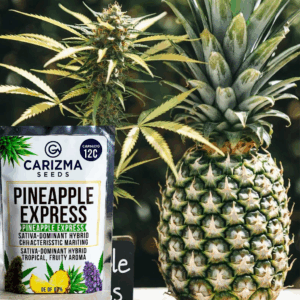
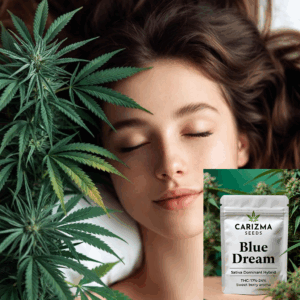
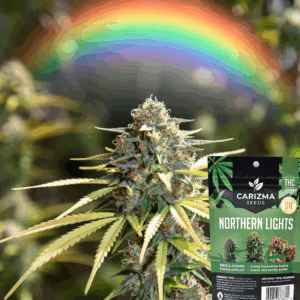

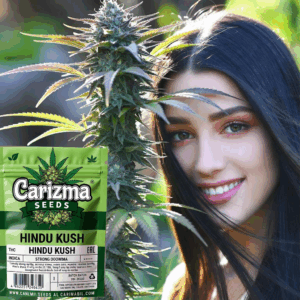
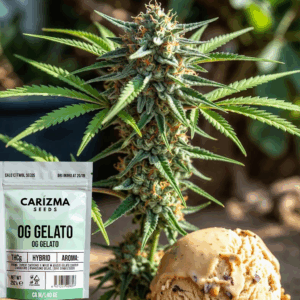
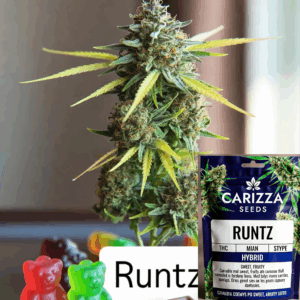
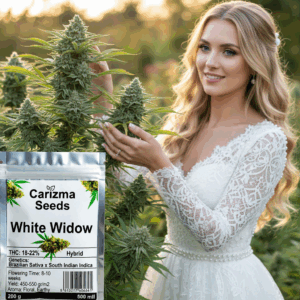
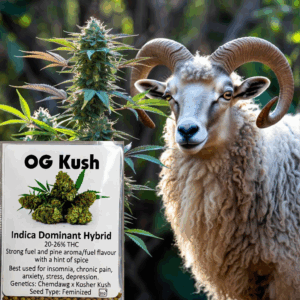

Growing Cannabis from Regular Seeds
Before starting, note that cannabis cultivation laws vary by location. This guide is for educational purposes only and assumes you’re in a legal jurisdiction. Always check local regulations. Regular cannabis seeds produce both male and female plants (roughly 50/50 ratio), unlike feminized seeds which are nearly all female. This makes them ideal for breeding or selecting phenotypes but requires sexing to avoid pollination if you want seedless buds (sinsemilla). Pros of regular seeds include genetic diversity for breeding, stability from pre-feminized eras, and potential for finding elite mothers or fathers. Cons: You’ll need to identify and remove males, which uses extra space and resources.
Choosing and Preparing Seeds
Consider strain traits like indica/sativa balance, THC/CBD levels, yield, flavor, and growth difficulty. Beginners might start with hardy strains like Northern Lights or Skunk. Aim for at least 10-16 seeds per grow space (e.g., 15-16 per square meter indoors) to account for males and ensure enough females. Store seeds in a cool, dark, dry place. Dark, firm seeds germinate best; avoid pale or damaged ones.
Germination - A Delicate Beginning
Germination awakens the seed, typically taking 1-7 days. Maintain 22-25°C (71-77°F), 70-90% humidity, and a damp (not wet) environment. Use fluorescent lights if needed. Here are proven methods:
- Glass of Water: Soak seeds in 22°C water for 3-5 days until roots emerge 1-2cm. Transfer to soil. Pros: Simple. Cons: Fragile roots, temperature fluctuations. Success: Viable but less reliable.
- Wet Paper Towel: Place seeds between damp towels in a warm, dark spot. Check daily; transplant when roots are 1-2cm. Pros: Common, inexpensive. Cons: Handling risks damage.
- Direct Soil Planting: Bury 10-15mm deep in moist, quality soil. Pros: No transplant shock. Cons: Slower visibility.
- Stone Wool or Plugs: Soak blocks/plugs; insert seeds. Pros: Stable environment. Cons: Needs equipment.
- Starter Kits: Use all-in-one kits for ease.
Wait for a taproot before planting. If no progress in 2 weeks, the seed may be inviable
Seedling Stage (Weeks 1-3)
- Once sprouted, seedlings need gentle care.
- Use small pots with light, airy medium (e.g., seedling mix, coco coir).
- Provide 18-24 hours of light (fluorescent or LED, 13-15cm away).
- Temperature: 70-85°F (21-29°C); Humidity: 70-90%. Water lightly when top inch is dry; avoid overwatering.
- No nutrients yet—use root stimulator if desired.
- Transplant to larger pots after 2-3 weeks when roots show.
- Common issues: Damping off (fungal); prevent with good airflow.
Vegetative Stage (Weeks 3-8+)
- Focus on building structure. Use 18-24 hours light (LED/HPS).
- Temperature: 70-85°F;
- Humidity: 40-70%. Water when dry; use balanced vegetative nutrients (follow labels).
- Prune lower branches for airflow. For regular seeds, grow under 18/6 cycle for 3-5 weeks to spot preflowers early.
- Train plants (e.g., topping, LST) for bushier growth. Monitor for pests/stress.
Sexing Plants
Critical for regular seeds. Around week 4-5 in veg or early flower (switch to 12/12 light), check internodes. Females show pistils (white hairs); males show pollen sacs (clusters, no hairs). Use magnification. Remove males immediately unless breeding. Take clones before sexing to preserve genetics. Expect 40-60% females. Transplant females to larger pots post-sexing.
Flowering Stage (Weeks 7-10)
- Switch to 12/12 light to trigger flowering.
- Temperature: 65-80°F (18-27°C);
- Humidity: 40-50%.
- Use bloom nutrients high in phosphorus/potassium. Support heavy buds with stakes.
- Monitor trichomes (resin glands) with a magnifier—harvest when mostly cloudy/amber for desired effects.
- Flush with plain water 1-2 weeks before harvest to improve taste. Watch for mold/pests.
Harvesting and Curing
- Harvest when 50-70% trichomes are cloudy (for uplifting effects) or more amber (sedating).
- Cut branches, trim leaves. Hang upside down in dark, ventilated space at 60-70°F, 45-55% humidity for 7-14 days until stems snap.
- Cure in airtight jars, burping daily for 2-4 weeks to enhance flavor/potency.
Tips and Common Mistakes
- Indoors: Use proper ventilation, pH-balanced water (5.8-6.2 for hydro, 6.0-7.0 soil).
- Breeding: Isolate males for pollen if desired; select based on vigor/aroma.
- Mistakes:
- Overwatering,
- nutrient burn,
- ignoring pH,
- poor light,
- not sexing early.
Start small; monitor daily.
Yields: 25-30g per plant indoors with good care.
Frequently Asked Questions
Regular cannabis seeds are the traditional, non-feminized type that produce both male and female plants in roughly a 50/50 ratio. Below are common questions growers have about them, based on expert advice and community experiences.
1. What Are Regular Cannabis Seeds?
Regular seeds are unmodified cannabis seeds that develop into either male or female plants, just as nature intended. Unlike feminized seeds (which produce nearly 100% females), regular seeds offer natural genetic diversity and are essential for breeding new strains.
2. What Are the Main Advantages of Regular Seeds?
- Breeding Potential: They produce males, allowing you to cross plants and create your own strains or stabilize genetics.
- Genetic Stability and Vigor: Often hardier, more resilient to stress, and better for cloning (producing vigorous mother plants).
- Authentic Genetics: Less processed than feminized seeds, leading to robust plants with strong traits like disease resistance and terpene profiles.
- Cost: Typically cheaper than feminized seeds.
3. What Are the Disadvantages of Regular Seeds?
- Male Plants: About 50% will be males, which don’t produce buds and must be removed to avoid pollination (unless breeding).
- Space and Resource Waste: You need to grow extra plants to get enough females, using more space, light, and nutrients.
- Sexing Required: You must identify and cull males early, adding extra work.
- Lower Efficiency for Bud Production: Not ideal if you just want sinsemilla (seedless buds) without hassle.
4. When Should I Use Regular Seeds Instead of Feminized?
Use regular seeds if you’re interested in breeding, creating new strains, or preserving genetics. They’re also great for experienced growers who want vigorous clones or genetic diversity. For pure bud production (especially beginners), feminized seeds are usually easier.
5. Can I Tell the Sex of Regular Seeds Before Planting?
No, you cannot determine sex from the seed’s appearance. All regular seeds look the same. Sex is revealed during growth (see question 7).
6. What Is the Typical Male-to-Female Ratio?
Expect around 50/50, though it can vary (e.g., 60/40 or 40/60) based on genetics, environment, and stress. Some growers report more males under certain conditions, but it’s not guaranteed.
7. How Do I Sex Regular Cannabis Plants Early?
Sexing happens during the pre-flowering stage (usually 3-6 weeks into veg, or early after flipping to 12/12 light cycle). Look at the nodes (where branches meet the stem):
- Females show white hairs (pistils) emerging from a calyx.
- Males show small round pollen sacs in clusters (like tiny grapes). Use a magnifier for early detection. Males often show preflowers first. Remove males immediately unless breeding.
8. What Happens If I Don’t Remove Male Plants?
Males will pollinate females, producing seeded buds (less potent and desirable). This ruins sinsemilla harvests. Always isolate or cull males early.
9. Can Regular Seeds Produce Hermaphrodites?
Yes, but less likely than feminized seeds if the genetics are stable. Hermaphrodites (plants with both male and female parts) can occur due to stress (e.g., light leaks, nutrient issues, over-pruning). Regular seeds from quality breeders are generally more stable and less prone to herming.
10. How Many Regular Seeds Should I Plant?
Plant more than you need—aim for 10-20+ if space allows, to account for males and duds. For a small tent, start with 6-12 and expect 3-6 females.
11. Are Regular Seeds Good for Beginners?
Not ideal for absolute beginners focused on buds—feminized or autoflowering seeds are easier. However, they’re fine if you’re willing to learn sexing and have extra space. Start with hardy strains.
12. What Are Some Good Regular Seed Strains for Beginners?
Look for resilient, classic strains like:
- Northern Lights (indica-dominant, easy, high-yield).
- Skunk #1 (stable, forgiving, classic).
- White Widow (robust, good for training). These offer vigor and are forgiving for learning sexing/breeding.
13. Can I Breed with Regular Seeds?
Yes! Select a strong male (good structure, aroma, vigor) and pollinate chosen females. Collect pollen carefully to avoid accidental pollination.
14. Do Regular Seeds Produce Better Clones?
Often yes—regular females tend to produce more vigorous, stable clones than feminized ones, making them preferred for mother plants.
15. Where Can I Buy Quality Regular Seeds?
Choose reputable seed banks with good reviews. Look for breeders who specialize in stable genetics. Always check for germination guarantees.
Regular seeds are rewarding for those interested in the full cannabis lifecycle. If you’re new, consider starting with feminized seeds and experimenting with regulars later. Happy growing!
By Type
By Effects
By Genetics
Legal Guides
- U.S. State Laws
- Canada Seed Rules
- International Shipping