Discover the Relaxing Power of Indica
Explore our collection of Indica-Dominated Strains
What Are Indica Dominant Strains?
Indica-dominant strains are types of cannabis plants known for their relaxing and calming effects. They often have higher levels of the terpene myrcene, which contributes to these effects.
Here’s a simple breakdown:
- What they are: Indica-dominant strains are a category of cannabis that leans more towards the effects typically associated with Indica plants.
- Effects: Usually produce a “body high,” leading to relaxation, reduced anxiety, and sleepiness. They can also help with pain relief.
- Appearance: The plants are typically shorter and bushier than Sativa strains, with wider leaves.
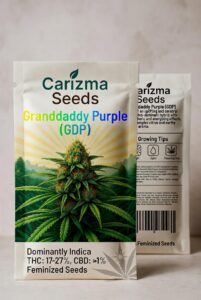
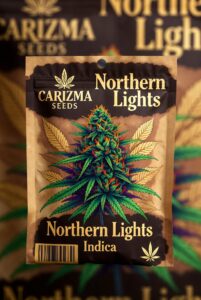
- Popular Strains: Examples include Northern Lights, Granddaddy Purple, and Blueberry.
Benefits of Growing Indica Dominant Strains
Indica-dominant strains are types of cannabis plants known for their relaxing and calming effects. They often have higher levels of the terpene myrcene, which contributes to these effects. These strains are known for their robust growth, dense buds, and high resin production. The effects are primarily physical, offering deep relaxation, pain relief, and stress reduction, while still providing a touch of cerebral stimulation to keep you engaged and creative.
Here’s a simple breakdown:
- What they are: Indica-dominant strains are a category of cannabis that leans more towards the effects typically associated with Indica plants.
- Effects: Usually produce a “body high,” leading to relaxation, reduced anxiety, and sleepiness. They can also help with pain relief.
- Appearance: The plants are typically shorter and bushier than Sativa strains, with wider leaves.
- Popular Strains: Examples include Northern Lights, Granddaddy Purple, and Blueberry.
Growing Indica-Dominant Cannabis Seeds
Indica-dominant cannabis strains (typically 70-100% indica genetics) originate from harsh, mountainous regions like the Hindu Kush, making them resilient, compact, and ideal for many growers. Compared to sativa-dominant plants, indicas are shorter, bushier, with broader dark green leaves, denser buds, and faster growth cycles. They usually produce relaxing, sedative effects, higher resin for hash, and earthy/spicy aromas.
Key Characteristics of Indica-Dominant Plants
Germination - A Delicate Beginning
The process for starting Indica seeds is identical to that of other cannabis strains, focusing on creating the ideal, warm, and moist environment.
- Recommended Method: The paper towel method remains highly reliable. Dampen (do not saturate) two paper towels, place seeds between them, and seal them in a small container or zip-top bag.
- Environment: Maintain warmth (70-80°F / 21-27°C) in a dark location.
- Transplanting: Once the taproot emerges (usually within 24–72 hours), gently place the seed about half an inch deep into a small starter pot filled with light, well-aerated soil or a preferred germination medium, ensuring the root points downward.
Seedling Stage (Weeks 1-3)
Indicas establish their root systems quickly, but they remain vulnerable during this initial phase.
- Light Cycle: 18–24 hours of light per day.
- Light Intensity: Use gentle light sources (low-wattage CFLs or dimmed LEDs) to prevent stressing the tender leaves. Keep lights relatively close but watch for signs of burning.
- Watering: The most common seedling failure is overwatering. Allow the top surface of the medium to dry completely before watering again.
- Nutrients: Minimal feeding is required. If using a soil mix, it may contain enough nutrition for the first two weeks. If using inert media (like coco coir or rockwool), introduce nutrients at 1/4 strength of a specialized seedling solution once the first set of true leaves has developed.
- Environment: Aim for temperatures around 70–75°F (21–24°C) and relative humidity (RH) between 60% and 70%.
Vegetative Stage (Weeks 3-8+)
Indicas grow vigorously but remain shorter during this stage. Because they spend less time in veg than sativas, managing their structure early is crucial for optimizing yield.
Light: Increase light intensity. Switch to powerful grow lights suitable for the vegetative phase (e.g., Metal Halide or full-spectrum LEDs). Maintain the 18/6 or 20/4 light schedule.
Potting: Indicas develop dense, sometimes sprawling root systems. Plan to transplant into their final containers before the end of this stage. Fabric pots or air pots are excellent for preventing root circling.
Nutrients: Focus on high-Nitrogen (N) feeds to promote strong foliage and branching. Begin feeding at half-strength and gradually increase according to the strain’s requirements, being mindful of their compact nature which can lead to nutrient lockout if overfed.
Training Techniques (Essential for Bushy Indicas):
- Topping/FIMing: Due to their short stature, topping (removing the main growth tip) early in veg is highly recommended. This forces the plant to produce multiple main colas instead of one tall spire, maximizing light penetration into the lower canopy.
- LST (Low-Stress Training): Gently bending the branches down and securing them horizontally encourages the plant to grow wider rather than taller, creating an even, dense canopy ideal for maximizing bud production in a limited vertical space.
- Sea of Green (SOG): Because Indicas flower quickly, they are often ideal candidates for SOG setups, where many small plants are flowered early to maximize production per square foot in a short time.
Environment: Maintain temperatures of 72–80°F (22–26°C) during light hours, and slightly lower in the dark period. Reduce RH to 40%–60%. Strong air circulation is vital to manage the dense foliage that Indicas develop.
Flowering Stage (Weeks 7-10)
The transition to flowering is dramatic for Indicas, as they exhibit minimal “stretch” compared to sativas, meaning their final height is often only slightly taller than their height at the start of flower.
- Initiation: Change the light schedule to 12 hours of uninterrupted darkness and 12 hours of light.
- Stretch Phase: The stretch period is short, usually only lasting 1 to 3 weeks before bud development begins in earnest. Train aggressively during this time if you missed opportunities in veg.
- Nutrients: Switch to bloom-specific formulas, increasing Phosphorus (P) and Potassium (K) while reducing Nitrogen.
- Humidity Control: This is the most critical factor for dense Indica buds. Reduce RH to 35%–45% once flowering is established. Dense flowers hold moisture, making them highly susceptible to bud rot (Botrytis).
- Defoliation: Remove large, light-blocking fan leaves (especially those that touch buds) to ensure air can move through the dense structure and light can reach inner bud sites.
- Environment: Temperatures should be slightly cooler, ideally 65–78°F (18–25°C). Nighttime temperatures dropping a few degrees can enhance color expression in some strains.
Indicas generally reach maturity faster than Sativas, often allowing for quicker turnaround times between grows.
- Timing: Use a jeweler’s loupe to inspect the trichomes on the buds:
- Clear: Too early.
- Milky/Cloudy: Peak psychoactive potential (THC).
- Amber: THC is converting to CBN, leading to a heavier, sedative effect characteristic of Indicas.
- Most Indica growers harvest when the majority of trichomes are cloudy, often with 10%–30% turning amber, depending on the desired effect.
- Flushing: Begin flushing the plants with pH-balanced, plain water 7–14 days before the target harvest date to remove accumulated mineral salts from the root zone, which improves the final flavor profile.
Proper post-harvest handling is essential, particularly for dense Indica flowers, to prevent mold formation during drying.
- Drying: Dry the trimmed or whole branches slowly in a controlled environment: Dark, 60–70°F (15–21°C), and 50%–55% RH. Slow drying preserves terpenes and minimizes the risk of moisture being trapped deep within the dense colas. The process should take 10–14 days.
- Curing: Once the stems snap when bent (but the buds are not bone-dry), place them loosely into airtight glass jars (filling them about 75% full).
- Burping: For the first week, open the jars several times a day for 15-30 minutes to release built-up moisture and replenish oxygen.
- Maturation: Continue burping less frequently for several more weeks. Curing softens the buds and deepens the aroma, maximizing the relaxing characteristics associated with high-quality Indica flower.
Frequently Asked Questions
Important Note: Cannabis cultivation and use are subject to strict legal regulations that vary by location. This information is for educational purposes only. Always verify and comply with your local laws.
Indica-dominant cannabis seeds produce plants known for their compact growth, fast flowering, and relaxing effects. Below are some of the most common questions growers and enthusiasts ask.
What are indica-dominant cannabis seeds? Indica-dominant seeds come from strains with mostly indica genetics (typically 70-100% indica). These originate from regions like the Hindu Kush mountains and produce short, bushy plants with broad leaves and dense, resinous buds.
How do indica-dominant strains differ from sativa-dominant ones? Indica plants are shorter and bushier with wider leaves, while sativas are taller and thinner. Indicas flower faster (7-9 weeks vs. 10+ for sativas), yield dense buds, and provide relaxing body effects. Sativas offer more uplifting, cerebral highs.
3. What effects can I expect from indica-dominant cannabis? Indica-dominant strains typically deliver deep relaxation, sedation, and a “couch-lock” body high. They often help with stress, pain, insomnia, and appetite stimulation—ideal for evening or nighttime use.
4. Are indica-dominant seeds easier to grow for beginners? Yes, many consider them beginner-friendly. They stay compact (great for indoor/small spaces), resist mold and pests better, and have shorter cycles. However, dense buds require good airflow to prevent mold.
5. What is the typical flowering time and height for indica-dominant plants? Flowering time: 7-9 weeks. Indoor height: 80-160 cm (compact); Outdoor: up to 200 cm. They stretch less than sativas, making height management easier.
6. What yields can I expect from indica-dominant seeds? Indoors: 450-700 g/m². Outdoors: 500-1000+ g/plant. High resin production makes them excellent for concentrates like hash.
7. Should I choose feminized indica-dominant seeds? Feminized seeds are popular as they produce almost all female (bud-producing) plants. Regular seeds can produce males, useful only for breeding.
8. Are indica-dominant strains better for indoor or outdoor growing? They excel indoors due to compact size and fast finish. Outdoors, they suit cooler/temperate climates and shorter seasons.
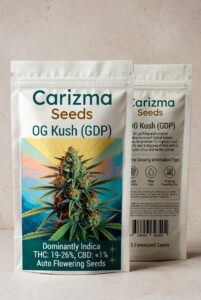
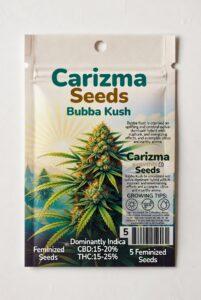
9. What are some popular indica-dominant strains? Classics include Northern Lights, OG Kush, Granddaddy Purple, Bubba Kush, and Hindu Kush—known for potency and resin.
10. Do indica-dominant strains have higher CBD? Many have low CBD (<1%), but some hybrids are bred for higher CBD. Effects depend more on terpenes (like myrcene for sedation) than just indica/sativa labels.
Note: Always check and follow local laws regarding cannabis cultivation and use. Growing difficulty, yields, and effects can vary by specific strain and conditions.