Premium Hybrid Seeds
Explore our collection of Hybrid Strains, Bred for:
- more uniform than traditional cannabis strains
- more resistant to unfavorable conditions
- produces larger yields
- Resin production is high
Key Features:
- Versatile effects
- Unique flavor profiles
- Adaptability to various condition
What are Hybrid Seeds?
Hybrid cannabis seeds are the result of cross-pollinating two different cannabis strains, typically an indica and a sativa. This process combines the genetic traits of both parent plants, creating a new strain with a unique blend of characteristics. Hybrids can be indica-dominant, sativa-dominant, or balanced, depending on the genetic makeup.
Significance in Cannabis Cultivation
- Balanced Effects: Hybrids offer a versatile range of effects, combining the relaxing properties of indica with the uplifting and cerebral effects of sativa. This makes them suitable for a wide variety of users and needs.
- Diverse Flavor Profiles: The cross-breeding of different strains often results in unique and complex flavor profiles, offering a broad spectrum of tastes and aromas.
- Enhanced Adaptability: Hybrids can be bred to thrive in various growing conditions, making them a flexible choice for growers in different climates and environments.
- Improved Traits: Breeders can select and combine desirable traits from both parent strains, such as high yields, disease resistance, and specific cannabinoid profiles.
- Customization: Hybridization allows for the creation of strains tailored to specific effects, flavors, and growing characteristics, providing growers and users with a broad array of options.
- Vigorous Growth: “Enjoy the resilience and high yields often found in hybrid genetics.”
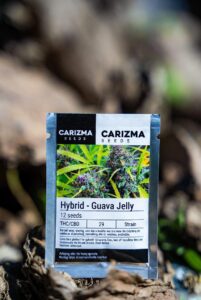
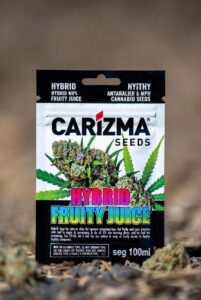
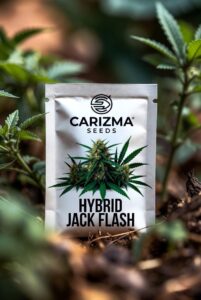
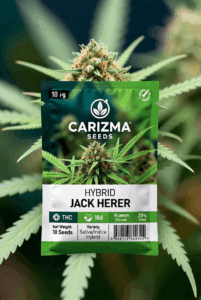
Top Strains

Guide to Growing Hybrid Cannabis Seeds
Understanding Your Hybrid Seeds
Hybrids offer the best of both worlds—the relaxing, body-focused effects of Indica and the uplifting, cerebral energy of Sativa. This guide will walk you through every step, from selecting your seeds to harvesting your buds, ensuring a successful and rewarding grow.
Understanding Your Hybrid Seeds- Before you plant a single seed, it’s crucial to understand what makes a hybrid unique. A hybrid strain is created by cross-pollinating an Indica strain with a Sativa strain. This genetic blending results in plants that can exhibit characteristics from both parent plants.
Key Hybrid Classifications:
- Indica-Dominant Hybrids: These strains lean towards the Indica side. Expect plants that are shorter and bushier, with broader leaves. Effects are typically physically relaxing, making them great for evening use. They often have shorter flowering times.
- Sativa-Dominant Hybrids: These strains favor the Sativa parent. They tend to grow taller, with narrower leaves and more space between nodes. The effects are more energizing, creative, and cerebral, ideal for daytime consumption. Flowering times are usually longer.
- 50/50 Balanced Hybrids: These are an even split, offering a true blend of Indica and Sativa traits. The growth pattern can be mixed, and the effects are often described as a “head high” paired with a gentle body relaxation.
Why is this important? Knowing your hybrid’s dominance helps you anticipate its needs for space, light, and nutrients, and allows you to plan your grow environment accordingly.
Germination - Waking Your Seeds
Germination is the process of encouraging your dormant seeds to sprout. A successful start is critical for a healthy plant. We recommend the Paper Towel Method for its high success rate.
What You’ll Need:
- Your hybrid cannabis seeds
- Two clean plates or a shallow dish with a lid
- Four paper towels (damp, not soaking wet)
- Bottled or distilled water (pH 6.0-6.5 is ideal)
Step-by-Step Instructions:
- Moisten the Towels: Take two paper towels and soak them in water. Wring them out thoroughly so they are damp but not dripping.
- Place Seeds: Lay one damp paper towel on a plate. Space your hybrid seeds evenly on the towel, ensuring they don’t touch.
- Cover: Place the second damp paper towel over the seeds.
- Create a Dome: Cover the plate with the second plate or a lid to trap moisture and create a dark, humid environment.
- Wait and Monitor: Place the plates in a warm, dark place (like a cupboard or on top of a refrigerator). The ideal temperature is between 70-85°F (21-29°C). Check on them every 12-24 hours.
- Look for the Taproot: Within 24 to 120 hours, you should see the seeds crack open and a tiny white root, called a taproot, emerge.
- Plant Immediately: Once the taproot is about ¼ to ½ inch (5-10 mm) long, it’s time to plant. Handle the seed with extreme care using tweezers, avoiding any contact with the taproot.
Seedling Stage - The First Two Weeks
This is a fragile stage where your sprout develops its first set of “true” leaves.
Environment:
- Light: Use a low-intensity light like a CFL or a dimmed LED. Keep the light 18-24 inches above the seedling. An 18/6 light cycle (18 hours on, 6 hours off) is standard.
- Medium: Plant the germinated seed in a small pot (like a solo cup with drainage holes) with a light, well-aerated seedling starter mix. Plant it taproot-down, about a half-inch deep, and cover gently with soil.
- Watering: Keep the soil moist but not waterlogged. Use a spray bottle to mist the surface of the soil. Avoid pouring water directly on the fragile stem.
- Humidity: Maintain high humidity (60-70%) to prevent the seedling from drying out. A humidity dome can be helpful.
Key Actions: Watch for the first “cotyledon” leaves (round) to unfold, followed by the first serrated “true” leaves. Once you have 2-3 sets of true leaves, the seedling stage is complete.
Vegetative Stage - The Growth Phase
Now your plant focuses on growing big and strong. This stage can last from a few weeks to several months, depending on your desired plant size.
Environment & Nutrients:
- Light: Increase light intensity. Your plant will now thrive under a powerful LED or HPS grow light. Keep it on the 18/6 light cycle.
- Watering: Water thoroughly when the top 1-2 inches of soil feel dry. Always check soil moisture before watering to prevent overwatering.
- Nutrients: Start with a mild, balanced nutrient formula (high in Nitrogen) designed for the vegetative stage. Begin with ¼ of the recommended dose and gradually increase it as the plant grows. Watch for signs of nutrient burn (yellowing or browning at the tips of leaves).
- Training (Optional): This is the perfect time for plant training techniques to maximize yield.
- Low-Stress Training (LST): Gently bend and tie down the main stem and branches to create an even, flat canopy.
- Topping: Cut the main stem’s tip to encourage the growth of two new main colas, creating a bushier plant.
Flowering Stage - Budding Begins
This is the magic moment when your hybrid plant stops growing and starts producing buds. You trigger this stage by changing the light cycle.
Triggering Flowering:
- Switch your light timer to a 12/12 cycle (12 hours of light, 12 hours of uninterrupted darkness). It is crucial that the dark period is completely dark. Any light leaks can stress the plant and cause problems.
What to Expect:
- Weeks 1-2 (Stretch): Your plant will undergo a final growth spurt, often doubling in height. This is especially true for Sativa-dominant hybrids.
- Weeks 3-8 (Bud Formation): You will see small white hairs (pistils) emerge at the nodes. These will develop into bud sites. The plant’s nutrient needs will change.
- Nutrients: Switch to a flowering or “bloom” nutrient formula that is lower in Nitrogen and higher in Phosphorus and Potassium (P/K).
Harvest & Curing - Reaping Your Rewards
Harvesting at the right time is key to achieving the desired potency and flavor from your hybrid.
When to Harvest: The best way to know when to harvest is by examining the trichomes (the tiny, crystal-like glands on the buds). You will need a magnifying glass or a jeweler’s loupe.
- Clear Trichomes: Too early. Potency is not at its peak.
- Cloudy/Milky Trichomes: Peak THC. This harvest will provide more cerebral, euphoric effects. Ideal for Sativa-dominant hybrids.
- Amber/Brown Trichomes: THC is degrading into CBN. This results in more sedative, relaxing body effects. Ideal for Indica-dominant hybrids.
For a balanced hybrid effect, harvest when you see a mix of about 50-70% cloudy trichomes with the rest turning amber.
The Harvest Process:
- Flush: Stop giving nutrients 1-2 weeks before harvest and only use pH-balanced water. This improves the final taste and smoothness of the buds.
- Chop: Cut down the plant at the main stem. You can hang the entire plant or cut it into smaller branches.
- Dry: Hang the branches upside down in a dark, well-ventilated room with a temperature of around 68°F (20°C) and humidity of 50-60%. The drying process takes 7-14 days. Buds are dry when the small stems snap instead of bend.
- Cure (Crucial for Quality): Trim the buds from the stems and place them in airtight glass jars. Store the jars in a cool, dark place.
- For the first two weeks, open the jars (“burp” them) for 15-30 minutes once a day to release excess moisture and prevent mold.
- Continue curing for at least 2-4 weeks for the best flavor, aroma, and smoothness. Curing for longer will only improve the quality.
Congratulations! You have successfully grown and harvested your own hybrid cannabis. Enjoy the fruits of your labor.
Frequently Asked Questions
Important Note: Cannabis cultivation and use are subject to strict legal regulations that vary by location. This information is for educational purposes only. Always verify and comply with your local laws.
What are hybrid cannabis seeds?
Hybrid cannabis seeds are the result of crossbreeding Cannabis sativa and Cannabis indica strains (or other hybrids). Most modern cannabis varieties are hybrids, combining traits from both parents to create balanced plants with customized effects, growth patterns, and flavors.
What is the difference between hybrid, sativa-dominant, and indica-dominant strains?
Hybrids can be balanced (50/50), sativa-dominant (more uplifting traits), or indica-dominant (more relaxing traits). Pure sativas are tall and energizing; pure indicas are short and sedative. Hybrids offer the best of both worlds—moderate height, versatile effects, and often higher yields.
What effects can I expect from hybrid cannabis?
Hybrids provide a mix of cerebral uplift (from sativa) and body relaxation (from indica). Balanced hybrids are versatile for any time of day, while dominant types lean toward energizing or sedating effects. They’re popular for tailored experiences, like creativity with relaxation.
Are hybrid seeds suitable for beginners?
Yes! Hybrids are often the most beginner-friendly due to resilient genetics, faster flowering, manageable height, and forgiving growth. They’re bred for stability, making them easier to cultivate than pure sativas or indicas.
How tall do hybrid cannabis plants grow?
Typically 4-8 feet indoors (with training) and 6-12 feet outdoors, depending on the dominance. They’re more compact than pure sativas but taller than pure indicas, offering good control in most setups.
What is the flowering time for hybrid seeds?
Usually 8-10 weeks, shorter than sativas (9-14 weeks) but similar to or slightly longer than indicas. This makes hybrids efficient for quicker harvests.
Do hybrid strains have higher yields or potency?
Many do—breeders select for high yields, potent THC/CBD levels, and rich terpenes. Hybrids often outperform pure strains in overall production and cannabinoid profiles.
What do hybrid cannabis buds look like?
Buds vary but are often dense yet fluffy, with vibrant colors, thick trichomes, and diverse aromas (fruity, earthy, diesel, etc.). They combine the fox-tail structure of sativas with the chunkiness of indicas.
How do I germinate hybrid cannabis seeds?
The same as any cannabis seed: Use the paper towel method in a warm, dark place (70-85°F). Taproots appear in 1-7 days, then transplant gently.
Can I grow hybrid seeds outdoors or indoors?
Absolutely both! Hybrids adapt well to indoor controlled environments or outdoor natural sunlight, thriving in a wide range of climates.
If you have more questions, browse our hybrid strain selection or reach out for expert advice!
By Type
By Effects
By Genetics
Legal Guides
- U.S. State Laws
- Canada Seed Rules
- International Shipping