Embracing Authenticity
Pure Genetics, Rich Heritage, Unique Traits
Key Features:
- Adapted to local environments
- Unique flavor profiles
- High resilience and stability
What are Landrace Seeds?
Landrace seeds are cannabis strains that have evolved naturally in their indigenous geographical regions over centuries, adapting to specific local climates and conditions without human intervention or cross-breeding. They represent the original, pure genetics of cannabis.
Significance in Landrace Cultivation
- Genetic Purity: They offer stable, unadulterated genetics, making them foundational for understanding cannabis lineage.
- Breeding Stock: Landrace strains are crucial for breeders to create new hybrid strains, providing a diverse genetic pool for desired traits like resilience, specific cannabinoid profiles, or unique flavors.
- Resilience: Having adapted to harsh natural environments, they often possess robust resistance to pests, diseases, and environmental stressors.
- Unique Traits: Each landrace strain carries distinct characteristics in terms of growth patterns, cannabinoid
terpene profiles, and effects, which are invaluable for research and development.
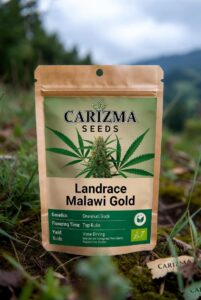
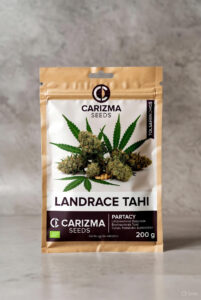
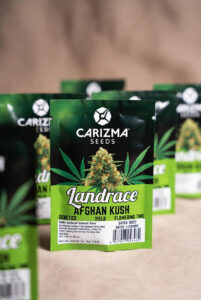
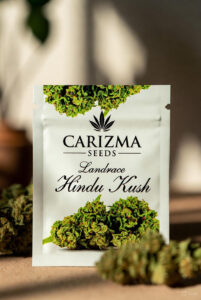
Top Strains
Growing Landrace Seeds
Growing Landrace or Heirloom seeds is more than just a hobby; it’s a journey back in time to experience cannabis in its original, unadulterated state. These are the foundational genetics from which thousands of modern hybrids were born. This guide will help you understand their unique nature and provide the specialized knowledge needed to cultivate them successfully.
What Are Landrace & Heirloom Strains?
To grow these genetics successfully, you must first understand what makes them fundamentally different from modern hybrids.
Landrace Strains: The Original Ecotypes
A Landrace strain is a domesticated, locally-adapted variety of cannabis that evolved over centuries in a specific geographical region. They are the product of their native environment, developing unique traits to survive and thrive there. Think of them as the indigenous people of the cannabis world.
- Examples: Afghani (from the Hindu Kush mountains), Thai (from Thailand), Acapulco Gold (from Mexico), Durban Poison (from South Africa).
- Characteristics: They are typically 100% Sativa or 100% Indica, with a pure and distinct terpene profile, effect, and growth pattern directly tied to their land of origin.
Heirloom Strains: Preserved Purity
Heirloom strains are pure, stable genetics that were removed from their native land and cultivated elsewhere without being crossbred. They are essentially Landrace strains that have been preserved in a new environment. For example, a pure “Kona” strain grown in California that was originally brought from Hawaii is considered an Heirloom.
Why Grow Them? Growing these strains connects you to cannabis history. You get to experience flavors, aromas, and effects that are often lost in modern hybridization. It is a cultivation challenge that rewards patience with unparalleled authenticity.
The Mindset - Patience is Your Greatest Tool
Modern hybrids are bred for speed, high yield, and ease of growth. Landrace strains are not.
- Longer Flowering Times: Especially Sativa-dominant Landraces, which can take 14-20 weeks or more to finish flowering.
- Lower Yields: They often produce less than their hybrid counterparts.
- Unique Needs: They can be sensitive to nutrients and may require specific environmental conditions to thrive.
The Golden Rule: Do not try to force modern hybrid growing techniques onto a Landrace plant. Your goal is to replicate its native environment as closely as possible and let it grow at its own pace.
Germination - A Delicate Beginning
The germination process for Landrace seeds is the same as for any other cannabis seed, but these seeds may be older and require extra care.
We recommend the Paper Towel Method for its control.
What You’ll Need:
- Your Landrace/Heirloom seeds
- Two clean plates or a shallow dish
- Four paper towels
- Bottled or distilled water (pH 6.0-6.5)
Step-by-Step Instructions:
- Moisten the Towels: Soak two paper towels in water and wring them out completely. They should be damp, not dripping.
- Place Seeds: Lay one damp towel on a plate. Space your seeds evenly on top.
- Cover: Place the second damp towel over the seeds.
- Create a Dome: Cover with the second plate or lid to trap moisture and create a dark, humid environment.
- Wait and Monitor: Place the plates in a warm, dark spot (70-85°F or 21-29°C). Be patient. Some older or wilder genetics can take up to a week or more to sprout.
- Look for the Taproot: Once a healthy white taproot emerges (¼ to ½ inch long), it’s time to plant. Handle with extreme care.
Seedling & Vegetative Stage - Embracing the Wild
During this stage, you will see the first signs of your plant’s unique heritage.
Environment & Care:
- Light: Start with a gentle 18/6 light cycle. As the plant grows, provide a powerful, full-spectrum light. Sativa Landraces, in particular, thrive on intense light.
- Medium: Use a light, airy soil mix with good drainage. Avoid heavy, pre-fertilized soils. These plants are adapted to often less nutrient-dense earth.
- Watering: Water less frequently than you would a hybrid. Allow the soil to dry out more between waterings. These plants are often more drought-tolerant.
- Nutrients: GO EASY. This is the most important rule. Start with ¼ of the recommended dose of a gentle vegetative nutrient, or even just water for the first few weeks. Landraces are highly sensitive to nutrient burn. It is better to under-feed than over-feed.
- Growth Pattern: Observe your plant. Is it stretching tall and lanky with thin leaves (Sativa)? Or is it staying short, bushy, and wide-leafed (Indica)? Let it express its natural shape. Avoid aggressive training like topping or fimming unless you are experienced.
Flowering Stage - The Long Wait
This is where your patience is truly tested, but the reward is immense.
Triggering Flowering:
- Switch your light timer to a 12/12 cycle (12 hours of light, 12 hours of uninterrupted darkness). Ensure the dark period is completely pitch black.
What to Expect:
- The “Stretch”: Be prepared for a significant stretch, especially with Sativa Landraces. A plant can double or even triple in height after switching to 12/12. Make sure you have the vertical space!
- Flowering Time: This is the big difference.
- Indica Landraces: 8-10 weeks (e.g., Afghani).
- Sativa Landraces: 14-20+ weeks (e.g., Thai, Malawi). Do not harvest early! The long flowering time is essential for the full development of their unique cannabinoids and terpenes.
- Nutrients: Switch to a gentle flowering nutrient formula. Again, use a low dose. These plants do not need the heavy feeding of modern hybrids.
Harvest & Curing - Preserving Authenticity
Harvesting a Landrace strain at the perfect moment is critical to unlocking its ancient essence.
When to Harvest: Just like with any cannabis, the trichomes are your best guide. Use a magnifying glass or jeweler’s loupe.
- Clear Trichomes: Not ready.
- Cloudy/Milky Trichomes: Peak psychoactive effect. For many pure Sativas, this is the ideal harvest window to capture their energetic, cerebral high.
- Amber/Brown Trichomes: More sedative, relaxing effects. For pure Indicas, waiting for a good percentage of amber trichomes will enhance their renowned body-stone effects.
The Harvest Process:
- Flush: For a pure, clean taste, flush your plants with only pH-balanced water for the final 1-2 weeks before harvest.
- Chop: Cut down the plant and trim the large fan leaves. You can hang whole branches or individual buds.
- Dry: Hang the branches upside down in a dark, well-ventilated room with a temperature around 68°F (20°C) and humidity of 50-60%. Drying can take longer due to the density of the buds. Buds are ready when the small stems snap.
- Cure: This is non-negotiable for Landraces. Curing is what unlocks their legendary, complex aromas and smooth smoke.
- Place trimmed buds in airtight glass jars.
- Store in a cool, dark place.
- “Burp” the jars daily for 15-30 minutes for the first two weeks, then every few days after.
- Cure for as long as you can. A minimum of 4 weeks is recommended, but many connoisseurs will cure Landraces for 6 months to a year. The flavor and effect will continue to improve with time.
Congratulations. You have not just grown a plant; you have cultivated a piece of living history. Enjoy the unique and profound experience that only a true Landrace or Heirloom strain can provide.
Frequently Asked Questions
What are landrace seeds?
Landrace seeds come from cannabis strains that have evolved naturally in specific geographic regions over centuries or millennia, adapting to local climates, soils, and conditions without human cross-breeding. These are pure, indigenous varieties—often 100% sativa or indica—that form the genetic foundation for all modern hybrid cannabis strains.
What is the difference between landrace, heirloom, and hybrid seeds?
- Landrace seeds: Pure strains that developed in their native regions through natural adaptation and traditional farming, with no modern hybridization.
- Heirloom seeds: Often derived from landraces but cultivated and stabilized outside their original region, passed down through generations while maintaining genetic purity.
- Hybrid seeds: Created by intentionally cross-breeding different strains (often landraces or heirlooms) to combine desirable traits like higher yields, potency, or shorter flowering times.
Landraces represent the “original” cannabis genetics, while hybrids dominate today’s market for optimized performance.
Why choose landrace seeds?
Landrace seeds offer unique, authentic flavors, aromas, and effects untouched by modern breeding. They provide genetic diversity, resilience to pests and environmental stresses, and a connection to cannabis history. Many growers and breeders value them for preservation, breeding projects, or experiencing pure sativa or indica profiles.
Are landrace seeds harder to grow than hybrids?
Yes, often. Landraces are adapted to their native environments (e.g., long flowering times for tropical sativas), so they may require specific conditions like extended light cycles or outdoor growing. They can be taller, lower-yielding, and less uniform than hybrids, but they’re typically hardy and resistant to local pests/diseases in similar climates.
What are some popular landrace strains?
Examples include:
- Durban Poison (South Africa, pure sativa)
- Afghan Kush (Hindu Kush region, pure indica)
- Thai (Southeast Asia, pure sativa)
- Acapulco Gold (Mexico, sativa)
Are landrace seeds feminized?
Traditional landrace seeds are usually regular (producing male and female plants), as feminization is a modern technique. Some sellers offer feminized versions, but pure landraces are often sold as regular seeds to preserve natural genetics.
Why are pure landrace seeds rare?
Many original landraces have been lost or diluted due to hybridization, prohibition, and changes in traditional farming. Collectors and seed banks work to preserve them, but authentic sources are limited.
Can I breed with landrace seeds?
Yes! Landraces are prized by breeders for introducing robust, unique genetics into hybrids, improving resilience, terpene profiles, or potency.
Are landrace strains more or less potent than hybrids?
It varies. Some landrace sativas can be highly potent with unique effects, but many pure landraces have lower THC than modern hybrids bred for maximum potency.
How should I store landrace seeds?
Store in a cool, dark, dry place (e.g., refrigerator) in airtight containers to maintain viability for years.
By Type
By Effects
By Genetics
Legal Guides
- U.S. State Laws
- Canada Seed Rules
- International Shipping