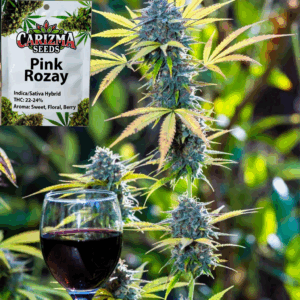
Premium Feminized Cannabis Seeds
Guaranteed Female Plants • Maximum Yields • Potent Genetics
Skip the males – grow only bud-producing females with our top-quality feminized seeds
Feminized Cannabis Seeds: Your Direct Path to Flower
Feminized cannabis seeds are genetically engineered seeds that are bred to produce only female plants.
Unlike traditional seeds, which have a 50/50 chance of developing into male or female plants, feminized genetics virtually eliminate the male contribution. Since only female cannabis plants produce the resinous, cannabinoid-rich buds desired by cultivators, using feminized seeds ensures that every single plant grown will contribute to the final harvest. This guarantees maximum yield potential and eliminates the time and resources wasted on growing and subsequently discarding unproductive male plants.
Benefits of Growing Feminized Seeds
- Maximized Yield: Focus on bud production without the risk of male plants.
- Simplified Cultivation: Less time spent identifying and removing males.
- Consistent Quality: Feminized seeds often produce high-quality cannabis with desirable traits.
Why Choose Feminized Seeds?
- Guaranteed bud production
- Save time, space, and resources
- Consistent high-quality genetics
- Available in indica, sativa, and hybrid strains
- High germination rates (90%+)
Comprehensive Guide to Growing Feminized Seeds
Welcome to the most efficient way to cultivate cannabis. Feminized seeds remove the guesswork of sexing plants, allowing you to focus 100% of your resources on producing high-quality, potent flowers. This guide covers the journey from seed to harvest.
Preparation & Germination (The Foundation)
Since feminized seeds are genetically pure female lines, successful germination is the vital first step.
1. Essential Preparation Checklist:
- Medium Selection: Choose a high-quality, well-aerated potting mix, coco coir, or hydroponic setup.
- Environment: Ensure a stable starting temperature (70-80°F / 21-27°C) and high humidity (70-80% RH).
- Light Source: Start with gentle light (CFL or low-power LED) positioned high above the germinating seed.
2. Germination Techniques:
The goal is to gently coax the taproot out without stressing the seed.
- Paper Towel Method: Dampen two paper towels, place seeds between them, seal in a dark, warm container, and monitor daily.
- Direct Soak: Soaking seeds in distilled water for 12–24 hours before planting can speed up activation.
- Transplanting: Once the taproot is visible (1/4 to 1/2 inch), carefully place the seed, root-down, into its starter medium about half an inch deep.
The Seedling Stage (Vulnerability & Care)
This stage lasts approximately 1–3 weeks. The plant is establishing its fundamental root structure.
- Light Cycle: 18–24 hours of light per day.
- Watering: Water very lightly. Overwatering is the primary killer in this phase. Allow the top layer of the medium to dry between gentle waterings.
- Nutrients: Avoid heavy feeding. Most quality potting soils provide sufficient initial nutrition. If feeding, use only 1/4 strength of a balanced vegetative formula once the first set of true leaves appears.
- Environment: Maintain moderate temperatures (70–75°F / 21–24°C) and slightly elevated humidity (60–70% RH), often achieved using a simple humidity dome over the seedling tray.
Vegetative Growth (Structure & Training)
This stage focuses on building a robust structure to support a heavy floral yield. This period can last anywhere from 3 to 12+ weeks, depending on your desired final plant size.
- Light Cycle: Maintain 18–24 hours of light. Gradually increase light intensity as the plant matures.
- Nutrient Focus: Switch to a Nitrogen-rich (N) nutrient profile to promote vigorous leaf and stem development.
- Transplanting: Pot up into progressively larger containers as the root system fills its current home.
- Training for Yield Optimization: Because you know every plant will flower, training is crucial:
- Topping/FIMing: Cutting the main apical growth tip encourages the plant to grow wider, producing multiple main colas rather than a single central spire.
- LST (Low-Stress Training): Bending and tying down branches creates a flat, even canopy, ensuring all bud sites receive optimal light exposure, which is essential for maximizing yield from feminized genetics.
- Managing Height: For tall Sativa-dominant feminized strains, techniques like SCROG (Screen of Green) become invaluable for keeping the canopy level under your light source.
Flowering Stage (Bud Development)
The transition is initiated by changing the light schedule to signal the reproductive phase.
- Flowering Trigger: Switch the light cycle immediately to 12 hours of uninterrupted darkness and 12 hours of light (for photoperiod strains).
- The Stretch: Be prepared for rapid vertical growth, especially with Sativa-dominant feminized seeds. Continue training during the first 2–3 weeks of flower.
- Nutrient Shift: Transition to bloom-specific nutrients, which are higher in Phosphorus (P) and Potassium (K) to fuel bud production.
- Crucial Environment Control: As buds fatten, reduce Relative Humidity (RH) significantly (aim for 35%–50%). Dense flowers hold moisture, making mold (Botrytis) a major threat. Ensure powerful air exchange and circulation around the developing flowers.
Harvest, Drying, and Curing (Finalizing Quality)
Proper finishing techniques lock in the potency and flavor developed throughout the grow cycle.
1. Flushing:
About 1–2 weeks before harvest, stop feeding nutrients and water only with pH-balanced, pure water. This process cleanses residual salts from the medium and plant tissue, resulting in a smoother final product.
2. Harvest Timing:
Judge readiness by examining the trichomes (the tiny resin glands) under magnification:
- Clear: Too early.
- Cloudy/Milky: Peak THC levels.
- Amber: THC degrading into CBN (more sedative).
- Optimal Harvest: Usually achieved when most trichomes are milky, with a small percentage turning amber (the exact ratio depends on your desired effect).
3. Drying:
Dry slowly in a dark, climate-controlled space (60–70°F / 15–21°C and 50–55% RH). This typically takes 7–14 days. Buds should snap but not crumble when handled.
4. Curing:
Place dried buds loosely into airtight glass jars (filling 75% full). For the first two weeks, “burp” the jars daily (open briefly) to release moisture and replenish oxygen. Curing for 3–6 weeks significantly enhances flavor and smoothness.
Ready to Grow with Confidence? Explore our 99%+ Feminized Guarantee collection and start cultivating pure, powerful harvests today!
➡️ SHOP ALL FEMINIZED SEEDS NOW ⬅️
Frequently Asked Questions
Important Note: Cannabis cultivation and use are subject to strict legal regulations that vary by location. This information is for educational purposes only. Always verify and comply with your local laws.
Understanding Feminization
Q1: What exactly are feminized cannabis seeds? A: Feminized seeds are genetically manipulated seeds bred exclusively to produce female cannabis plants. Traditional seeds have a 50/50 chance of becoming male or female. By choosing feminized genetics, growers are assured that nearly 100% of their plants will produce potent, smokable flowers, eliminating the need to identify and cull males.
Q2: How do you guarantee that the seeds will be female? A: We use advanced horticultural techniques (often involving the controlled application of silver thiosulfate or colloidal silver) on elite female parent plants. This process encourages the female plant to produce pollen sacs that carry only female chromosomes. Our stringent quality control batches confirm a germination rate of 99%+ female offspring.
Q3: Can feminized seeds still sometimes produce a male plant? A: While the success rate is exceptionally high (typically 99%+), extreme environmental stress (such as severe nutrient imbalances, massive light leaks during darkness, or extreme temperature fluctuations) can occasionally cause a genetically female plant to express male characteristics late in its life cycle. This is rare, but our Germination Guarantee covers seed viability.
Q4: Are feminized seeds less potent or vigorous than regular seeds? A: No. Modern feminization techniques have advanced to the point where there is no scientifically recognized decrease in potency, flavor, or vigor. You get the full genetic potential of the parent strains, just without the risk of males.
Cultivation & Growing
Q5: Do feminized seeds require different growing techniques than regular seeds? A: The fundamental needs (light, water, nutrients) are the same. However, because you know every plant will flower, techniques like Topping, LST, and SCROG are highly recommended to manage the canopy evenly and maximize yield across all your guaranteed female plants.
Q6: How long is the flowering period for feminized seeds? A: This depends entirely on the strain you choose (Indica, Sativa, or Hybrid). Generally, feminized Indica-dominant strains flower faster (7–9 weeks), while Sativa-dominant strains require longer flower periods (10–14+ weeks). Always check the specific strain page for exact timelines.
Q7: Is there a difference between Autoflower seeds and Feminized seeds? A: Yes. Feminized seeds are photoperiod dependent—they require a change in the light cycle (usually to 12/12) to begin flowering. Autoflowers are genetically programmed to flower based on age, regardless of the light cycle, making them faster overall but sometimes resulting in lower yields than their photoperiod feminized counterparts.
Purchasing & Guarantee
Q8: What is your guarantee policy if my feminized seeds don’t sprout? A: We stand behind the viability of our genetics. If your feminized seeds fail to germinate according to our guidelines, please contact our support team. We offer a robust germination guarantee to replace non-viable seeds. (Note: Guarantee conditions vary based on the germination method used.)
Q9: How are feminized seeds shipped? A: We prioritize discretion and security. All feminized seeds are shipped in plain, vacuum-sealed, or magnetic-shielded packaging that provides no indication of the contents, ensuring discreet delivery to your location.